After the Storm

For a week, the migrant workers and field hands in the spartan Everglades Labor Camp four miles west of this farming center found themselves at the end of the relief lines, ignored and isolated as they battled hunger, thirst and then the weekend’s rains. Time and again, an ambulance or police car would stop, residents said today, scan quickly for life-threatening emergencies, then drive on again to tend to other problems, leaving the impoverished community to fend for itself.

Read the article After the Storm
Share

Similar Posts

  • Donor Aids Victims of Storm

    After Hurricane Wilma hit last fall, Marlene Brody repaired her storm-damaged seawall and returned to life as a snowbird, shuttling between her upstate New York horse farm and winter home in North Bay Village. But then Brody heard a radio news report that made her realize recovery had not been as easy for everyone. Read…

  • Cultivating a Home

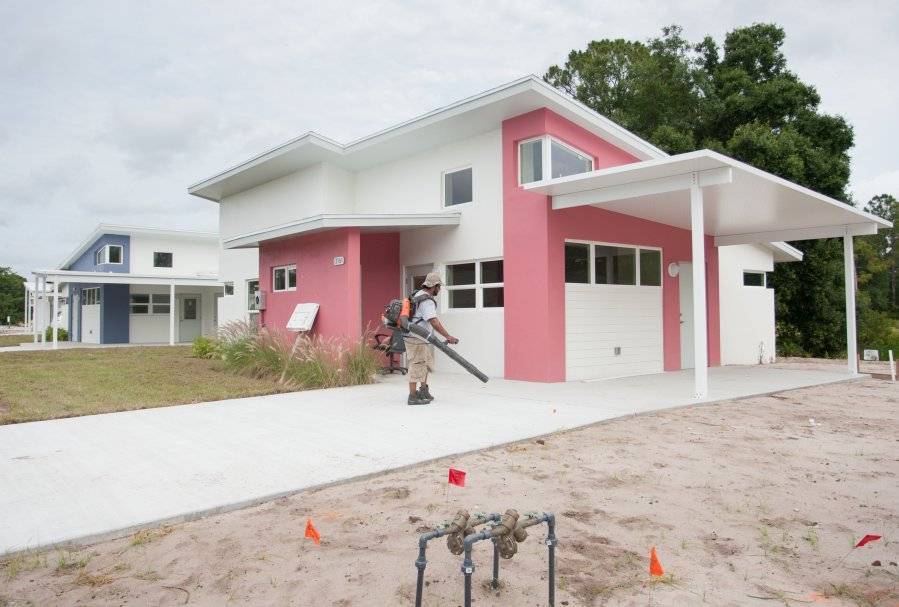
    Magali Perez, 25, remembers coming home from her job at a plant nursery, hoping she was next in line to use the kitchen shared by four families living under one roof. They shared one stove, so they had to cook and eat in shifts. She and her husband, Ramiro, and their five children now have…

  • Don’t Ruin a Good Thing

    The residents of Naranja Lakes and environs — living in a square mile of South Dade in not much better shape than the day after Hurricane Andrew — often feel like the storm’s forgotten victims. Their self-interests — some legitimate — now threaten careful plans to house temporarily other oft-ignored residents: migrant farmworker families. Read…

  • Seeds of Change 

    The challenges of site acquisition, land use, and competitive financing are no different in communities targeting agricultural workers than in other affordable rental communities, said Kirk. “The added complexity in serving farmworkers is to understand agricultural markets and wages, and to layer sufficient subsidies to reach affordability.” Read the article Seeds of Change