Florida Growers Don’t Have to Provide Migrant Housing

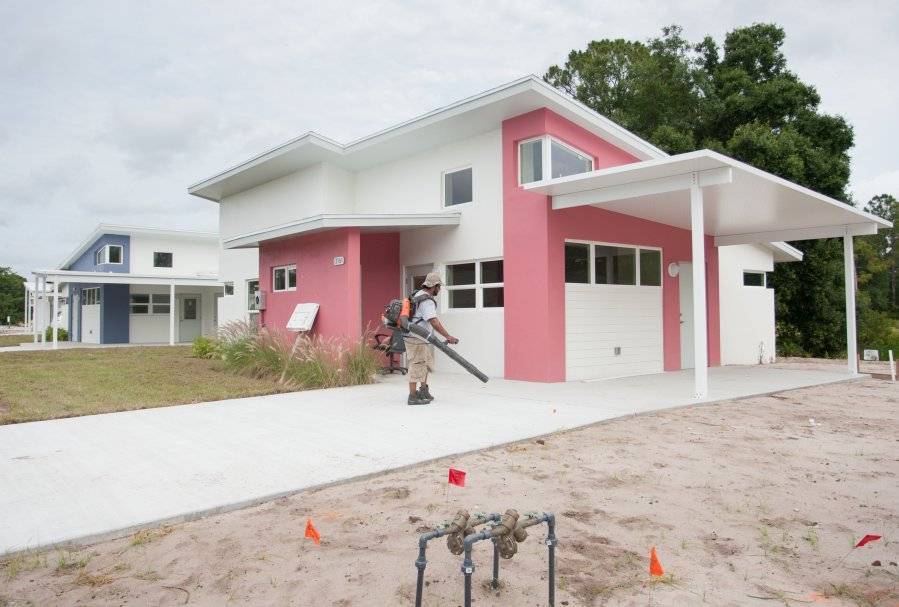
Haven site May 5th, for construction of a 3,944-square-foot project consisting of 80 apartment units. The project is different than other projects, because it will also accommodate local low-income families. “We have different types of communities, and this is a family community where only 40 percent are for agricultural workers,” Kirk said. “The other (units) could be for agricultural workers, too, but it’s for whoever qualifies.” It is an effort to change with the times. Many once-rural communities are becoming increasingly suburbanized, and more residents are finding jobs outside of traditional agricultural occupations.
Share

Similar Posts

  • After the Storm

    For a week, the migrant workers and field hands in the spartan Everglades Labor Camp four miles west of this farming center found themselves at the end of the relief lines, ignored and isolated as they battled hunger, thirst and then the weekend’s rains. Time and again, an ambulance or police car would stop, residents said…

  • Don’t Ruin a Good Thing

    The residents of Naranja Lakes and environs — living in a square mile of South Dade in not much better shape than the day after Hurricane Andrew — often feel like the storm’s forgotten victims. Their self-interests — some legitimate — now threaten careful plans to house temporarily other oft-ignored residents: migrant farmworker families. Read…

  • Immokalee to Benefit from a New Family Rental Housing Complex

    Big Cypress Housing Corp. Inc. plans to develop rental housing units for legal migrant and seasonal farmworkers in Immokalee, west of Carson Road. The nonprofit housing organization will construct 92 multifamily rental housing units on the 20-acre property, named the Reserves at Eden Gardens. Read the article New Family Housing

  • The Builder

    Former Gourmet editor and James Beard award-winner Barry Estabrook traces the supermarket tomato from Immokalee, FL and presents a who’s who cast of characters in the tomato industry. This New York Times best-seller includes The Builder, a chapter highlighting Rural Neighborhood’s role in improving agricultural housing.