Similar Posts

  • Florida Growers Don’t Have to Provide Migrant Housing

    Haven site May 5th, for construction of a 3,944-square-foot project consisting of 80 apartment units. The project is different than other projects, because it will also accommodate local low-income families. “We have different types of communities, and this is a family community where only 40 percent are for agricultural workers,” Kirk said. “The other (units)…

  • Immokalee Housing Project Fills Up

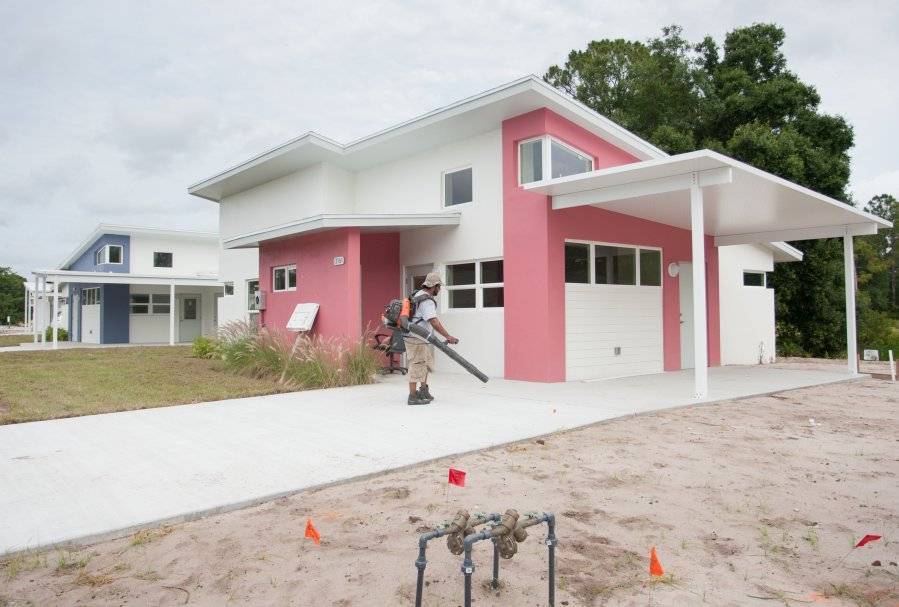
    It’s been a month since the family moved from Michigan, said Andrea’s mother, Heather Rodriguez, and they’re still settling into their new lives in Florida. It’s been an adjustment, she said, but a welcome one. “We’ve never lived in such a pretty place,” Rodriguez, 29, said of the new two-bedroom, two-bathroom town home the family…

  • Case Study: Rural Neighborhoods

    National public accounting firm Cohn Reznick Group profiles Rural Neighborhoods in a short video. Tom Neibaur, Director of Operations says, “We can put up the bricks and mortar, that’s the easy part. We could never have mastered the finance and accounting intricacies of our project without Cohn Reznick Group’s help.” Please click on the full…

  • Cultivating a Home

    Magali Perez, 25, remembers coming home from her job at a plant nursery, hoping she was next in line to use the kitchen shared by four families living under one roof. They shared one stove, so they had to cook and eat in shifts. She and her husband, Ramiro, and their five children now have…

  • Metro Won’t Close Migrants’ Camp

    Metro has called off next week’s threatened closing of the Everglades Migrant Labor Camp after growers agreed to rent half the camp’s 400 trailers Jack Campbell, secretary-treasurer of the South Florida Tomato and Vegetable Growers Association, said Monday that migrants will have to pay up or get out under the new management, which takes over…

  • Migrant, Not Homeless

    “Everglades Village is a much larger planned community than you would find in a typical tax-credit project or USDA-funded project,” says Steve Kirk, ECA’s executive Director, “Our Planning process was to build more of a self-contained community. Read the article Planning Magazine:  Migrant Not Homeless